Key facts
Hair transplant with Dr. João Francisco Oliveira, at a glance
A FUE hair transplant moves hair follicles from the back and sides of the head, where hair is genetically resistant to balding, to the areas that have become bald. These are the facts an international patient usually asks first:
- Physician
- Dr. João Francisco Oliveira, medical registration CRM 33346/SC (Santa Catarina Regional Medical Council)
- Training
- Medical degree from UNESC (Universidade do Extremo Sul Catarinense), 2021; postgraduate course in Hair Transplantation and Trichology, Faculdade Primum
- Location
- Rua Santa Catarina, 93, Comerciário, Criciúma, SC 88802-260, Brazil
- Techniques
- FUE, no-shave FUE and DHI; beard and eyebrow transplants
- Procedure day
- One day, usually 6 to 10 hours, under local anesthesia; you go back to your accommodation the same day
- Graft survival
- Above 90% when the procedure is well performed, according to the ISHRS (International Society of Hair Restoration Surgery)
- Results
- New hair starts growing at months 3 to 4; the final result is assessed between 12 and 18 months
- First consultation
- Online, before you travel; the in-person evaluation is done in Criciúma
The procedure
How a FUE hair transplant works, step by step
A FUE hair transplant works in eight stages: the indication is confirmed, the new hairline is designed, the donor area is assessed, follicular units are extracted one by one, prepared, and implanted into tiny channels, followed by a structured recovery. FUE stands for Follicular Unit Excision (also widely called Follicular Unit Extraction). The terms "hair transplant" and "hair implant" describe the same surgery; the follicles always come from the patient's own scalp.
- Correct indicationThe first question is whether surgery is the right answer at all. Dr. João identifies the type of hair loss, how active it still is and what the rest of your scalp is likely to do over the years. Some patients are better served by medical treatment first, and some are not candidates.
- Hairline design and planningBefore any extraction, the new frontal hairline is drawn on the scalp according to the proportions of your face and your age, and you check it in the mirror. The plan also defines how many grafts each area will receive. This is the stage that most separates a natural result from an artificial one.
- Donor area assessmentThe back and sides of the head are the "bank" of hair. Their density, hair thickness and size decide how many grafts can be removed safely, now and in the future, without leaving the donor area visibly thin.
- FUE extractionUnder local anesthesia, each follicular unit (a natural group of 1 to 4 hairs) is removed individually with a punch smaller than 1 mm. There is no strip of scalp removed and no stitches, so there is no linear scar, only tiny dots that heal within days.
- Graft preparationThe extracted units are sorted, checked and kept in a preservation solution, protected from drying and temperature changes. The less time a graft spends outside the body, the better its chance of survival, which is why the day follows a coordinated rhythm.
- Channel openingTiny incisions are made in the recipient area. Their angle, direction and depth define how each future hair will grow, following the natural pattern of the region; this is where density and direction are built.
- ImplantationThe grafts are placed one by one into the channels: single-hair units at the front of the hairline, thicker units behind them, recreating the soft transition of a natural hairline.
- Post-operative care and growthYou leave the same day with written instructions and medication for the first days. Guided washes, a few temporary restrictions and follow-up visits or photo check-ins guide the months until the final result.
What the surgery day is like
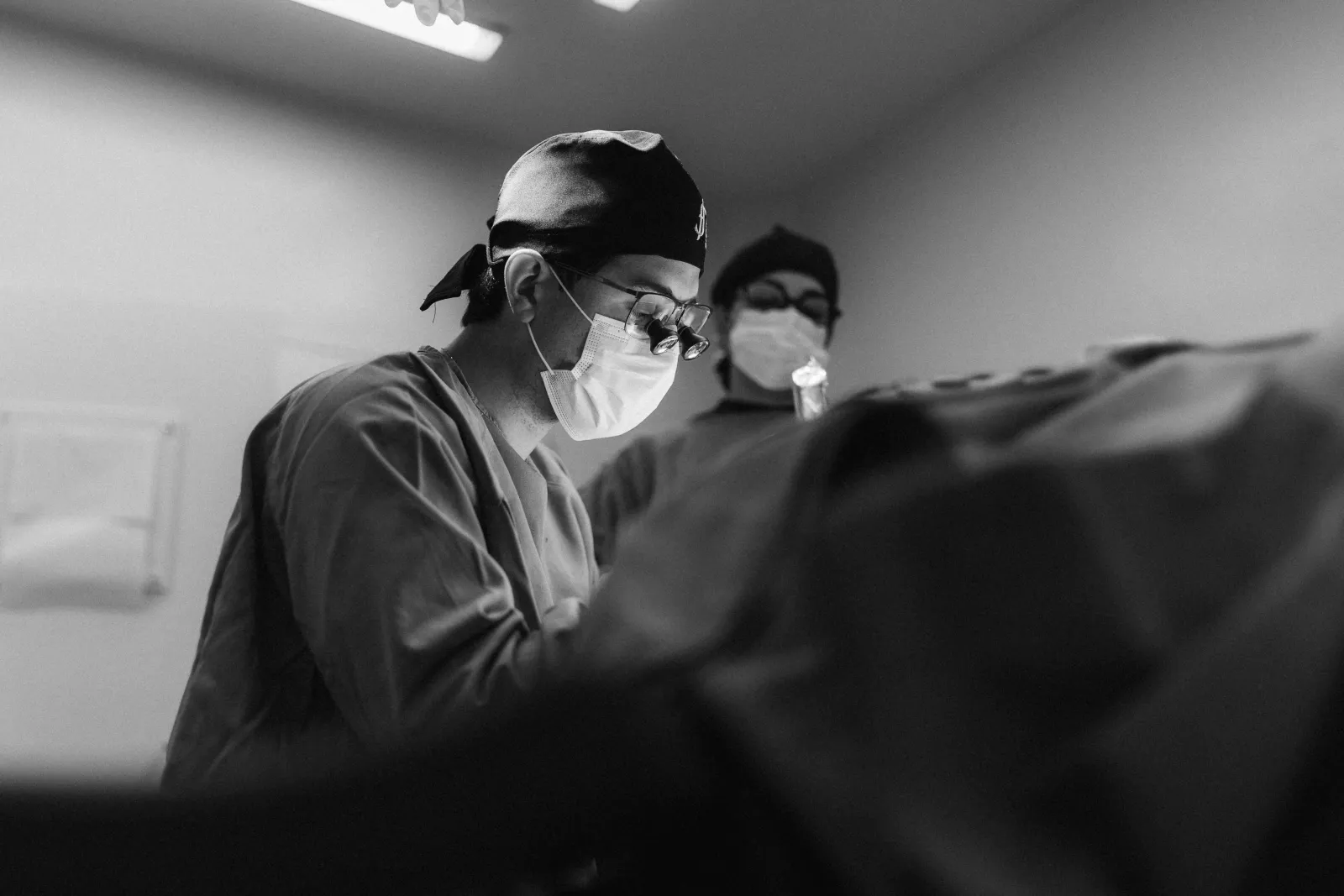
The surgery day starts in the morning and ends in the late afternoon or early evening. You stay awake the whole time: after the anesthetic injections, which sting for a few minutes, most patients talk, watch series, have lunch and take breaks to stretch. The anesthesia is reinforced during the day when needed. In a single day, roughly 2,000 to 3,500 grafts can usually be transplanted safely, depending on the technique and the case; larger areas may need a second session months later.
FUE vs FUT
FUE has replaced FUT (Follicular Unit Transplantation, the "strip" technique) in most cases. FUT removes a strip of scalp from the back of the head, which is stitched closed and leaves a permanent linear scar that limits short haircuts. FUE extracts each unit individually: there is no linear scar, recovery of the donor area is faster and the post-operative period is usually more comfortable. FUT is now reserved for very specific situations.
No-shave FUE
In no-shave FUE, the donor area is not visibly shaved: extraction is done through narrow strips trimmed underneath longer hair, which then covers the signs of the procedure. It takes more time and usually allows fewer grafts per session, but it is a good option for people who cannot be seen with a shaved head at work or while traveling. Dr. João also performs DHI, in which an implanter pen places each graft directly, controlling angle and depth in one movement.
Beard and eyebrow transplants
The same FUE principle is used to rebuild a patchy beard or thin eyebrows: follicles from the scalp are implanted one by one, following the very specific angle of facial hair. The number of grafts is usually smaller than in a scalp transplant, and the planning depends on the shape of the face. The indication is defined in the evaluation, as with any hair transplant.
Results
Graft survival and results timeline
When the procedure is well performed, more than 90% of the transplanted grafts survive, according to the ISHRS (International Society of Hair Restoration Surgery). The result is not visible right away: the transplanted hairs fall out first, and the new hair grows over the following year. Knowing this calendar in advance avoids most of the anxiety of the first months.
| When | What happens |
|---|---|
| Days 1–14 | Small scabs form around the grafts and come off with the guided washes, usually by days 10 to 15. Mild swelling of the forehead between days 2 and 4 is common. |
| Weeks 2–8 | Shedding: most transplanted hairs fall out. The follicle stays alive under the skin and rests before producing new hair. This is expected and does not mean the grafts were lost. |
| Months 3–4 | New hairs start to grow, still thin and sparse. A few small "pimples" (mild folliculitis) can appear as hairs break through the skin. |
| Month 6 | Roughly half of the final result; coverage is already noticeable, texture still uneven. |
| Months 12–18 | Final result: the hairs reach their final thickness and length. The crown is usually the last area to mature. |
In the transplanted areas the result is permanent, because the follicles keep the resistance to balding they had in the donor area. The hair that was not transplanted, however, can keep thinning over the years, which is why the plan usually includes medical treatment (see below).
Indication
Who is a candidate for a hair transplant
A good candidate for a hair transplant has a defined area of hair loss, a donor area strong enough to cover it, hair loss that is reasonably stable and realistic expectations. Only an examination confirms it, but these are the criteria Dr. João looks at:
- Donor area: enough density at the back and sides of the head to cover the bald area with a safety margin. Without it, the transplant cannot deliver a good result.
- Stable hair loss: operating during very active hair loss can compromise the result, because the native hair around the grafts keeps thinning. Often the plan starts with medical treatment to stabilize it.
- Age: in very young patients the final pattern of hair loss is still unpredictable, so surgery is often postponed and the hairline is planned conservatively. There is no fixed age; it depends on the evaluation.
- Medical conditions: uncontrolled diabetes or high blood pressure, bleeding disorders, some medications (such as blood thinners) and active scalp diseases need to be assessed or controlled first. Some types of hair loss, like active alopecia areata or scarring alopecias, are not treated with a transplant.
- Women: women can be candidates too, but female hair loss is often diffuse, so the diagnosis and the donor area matter even more.
Why medical treatment continues after surgery
A hair transplant rebuilds the bald areas; medical treatment protects the hair that was not transplanted. Androgenetic alopecia (male or female pattern hair loss) is progressive, so without treatment the native hair around the grafts can keep thinning, and the result can look patchy years later. Depending on the case, medications such as minoxidil, finasteride or dutasteride may be considered. These medications must be prescribed and monitored by a physician, who weighs indications, contraindications and possible side effects; this page does not replace a consultation.
International patients
Coming from abroad: how the process works
For patients who live outside Brazil, the process is organized so that most of the planning happens before the trip, and the follow-up continues online after you go home. These are the five stages:
- Online first consultationYou send photos of your scalp and your medical history and talk with Dr. João by video. He explains whether a transplant seems to make sense, what technique could fit your case and what the next steps are. A final indication depends on the in-person examination.
- In-person evaluationIn Criciúma, the scalp and donor area are examined in person, including trichoscopy (a magnified exam of the hair and scalp), and the plan is confirmed. If pre-operative tests are needed, Dr. João tells you which ones and when to do them.
- Procedure dayOne day at the clinic, under local anesthesia, usually 6 to 10 hours. You go back to your accommodation the same day with written instructions.
- The first days in the regionThe first post-operative care, including the first guided hair wash, is done in the days after the surgery. How long you stay is defined by Dr. João for your case.
- Online follow-upAfter you go home, the follow-up continues with photos and video calls during the shedding phase and the months of growth, until the final result.
How long do I need to stay in Brazil?
The length of your stay is defined by Dr. João after the evaluation, based on the size of the procedure and your health. As a general reference, international patients plan a few days in the region: the evaluation before the procedure, the surgery day and the first post-operative care. The scabs come off with the washing routine around days 10 to 15, and that phase can be followed remotely with photos. Plan your flights only after the dates are confirmed with the clinic.
How to get to Criciúma
Criciúma is in the south of Santa Catarina state, between the two closest international airports of the region:
- Florianópolis (FLN), Hercílio Luz International Airport: about 200 km north of Criciúma, roughly 2 to 2.5 hours by car on the BR-101 highway, depending on traffic. FLN has direct international flights from cities such as Buenos Aires, Santiago, Panama City and Lisbon, and seasonal routes from other South American cities.
- Porto Alegre (POA), Salgado Filho International Airport: about 280 km south-west of Criciúma, roughly 3 to 3.5 hours by car, also on the BR-101. POA has direct flights from cities such as Buenos Aires, Santiago, Lima, Panama City and Lisbon.
- From other countries: travelers usually connect through São Paulo, which has frequent domestic flights to both Florianópolis and Porto Alegre.
From either airport, you can reach Criciúma by rental car, private transfer or intercity bus. Routes and frequencies change by season, so check current schedules directly with the airlines before booking.
You can write to the clinic on WhatsApp in English to schedule your online consultation and organize your dates.
The clinic is located at Rua Santa Catarina, 93, Comerciário, Criciúma, SC, Brazil (see on Google Maps). Patients from the region can see the routes from each city on the southern Santa Catarina page (in Portuguese).
Book an online consultationHonest restrictions
Beach and sun after the procedure
After a hair transplant, the beach has to wait: direct sun on the treated area, the sea and swimming pools are usually avoided for about 30 days. Santa Catarina has beautiful beaches, especially in the summer (December to March), when the UV index is high, so if you want to enjoy them, the honest advice is to do it before the surgery, not after.
| Activity | Usual timing |
|---|---|
| Direct sun on the scalp | Avoid for at least 30 days; afterwards, protect the area as instructed |
| Loose hat or cap | Usually from days 7 to 10, if it does not touch the grafts |
| Sea and swimming pool | Around 30 days; salt water and chlorine irritate the healing skin |
| Gym and intense sports | Gradual return between weeks 2 and 4 |
| Alcohol and smoking | Avoid in the first weeks; both impair the circulation that feeds the grafts |
| Flying home | Usually possible a few days after the procedure, once Dr. João has checked the grafts; confirmed case by case |
Sweat, sunburn and bumps on the head in the first days are the main risks to the grafts. Walking around the city with a loose hat, after it has been cleared, is usually fine; a day at the beach in the first month is not.
Making a decision
How to choose where to have a hair transplant
Choose a hair transplant based on who examines you, who performs each step and who follows your recovery, not on the number of grafts offered in a package. These objective questions apply to any clinic, in Brazil or in any other country:
- Is the physician registered and verifiable? In Brazil, every physician has a CRM number that can be checked on the Federal Council of Medicine portal (Dr. João Francisco Oliveira: CRM 33346/SC).
- Who does what on the surgery day? Ask who designs the hairline, who opens the channels and who supervises extraction and implantation.
- Was there a real evaluation? A serious indication considers your donor area, the stage of your hair loss and your health, and sometimes the answer is "not yet" or "treatment first".
- Is the graft number explained? The number should come from the planning of your case and the limits of your donor area, preserving it for the future.
- Is there a plan for the native hair? Without medical treatment where indicated, the result can look unbalanced as hair loss progresses.
- Who follows you after you fly home? The shedding phase and the first year raise questions. Ask how follow-up works at a distance and who answers.
- Are the risks explained in writing? Informed consent, possible complications and realistic timelines should be clear before you book anything.
No responsible clinic can promise a specific result. What you should expect is a careful indication, a well-planned procedure and close follow-up.
The physician
About Dr. João Francisco Oliveira
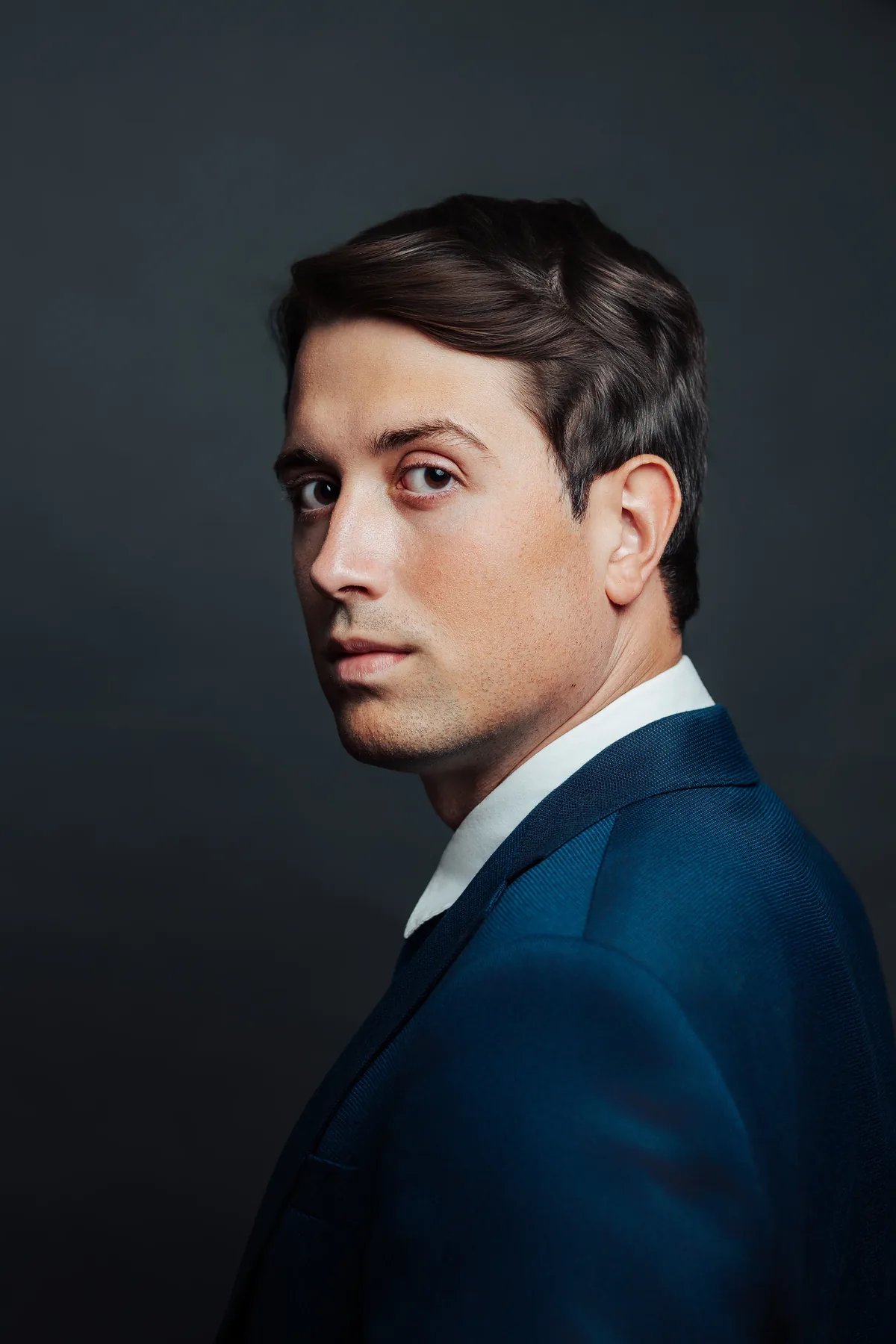
Dr. João Francisco Oliveira (CRM 33346/SC) is a physician dedicated to hair transplantation and to the clinical treatment of hair loss in Criciúma, Santa Catarina, Brazil. He graduated in Medicine from UNESC (Universidade do Extremo Sul Catarinense) in 2021 and completed a postgraduate course in Hair Transplantation and Trichology at Faculdade Primum. He performs FUE, no-shave FUE, DHI, beard and eyebrow transplants, and treats male and female pattern hair loss and other causes of hair loss. The same physician conducts the evaluation, the hairline design, the surgery and the follow-up.
Read more on his profile page (in Portuguese), or visit the Portuguese site for the clinic's techniques and results.
FAQ
Frequently asked questions
How long do I need to stay in Brazil for a hair transplant?
The length of the stay is defined by Dr. João Francisco Oliveira after the evaluation, according to the size of the procedure and your health. As a general reference, international patients plan a few days in the Criciúma region: the in-person evaluation, the procedure day and the first post-operative care, including the first guided hair wash. The rest of the recovery can be followed online with photos.
Can I have the first consultation online?
Yes. The first consultation can be done online, by video, before you travel: you send photos and your medical history, and Dr. João explains whether a transplant seems to make sense and how the process would work. The final indication is confirmed in the in-person evaluation in Criciúma, Santa Catarina.
Is a hair transplant permanent?
In the transplanted areas, yes: the follicles come from the back and sides of the head, which are resistant to balding, and keep that resistance after being implanted. A hair transplant is a permanent solution for bald areas, but the native hair that was not transplanted can keep thinning over the years, which is why medical treatment, prescribed and monitored by a physician, is often part of the plan.
Does a FUE hair transplant hurt?
The procedure is done under local anesthesia, so you stay awake and should not feel pain during the extraction and implantation. The anesthetic injections sting for a few minutes at the beginning. After the surgery, discomfort is usually mild and controlled with the medication prescribed for the first days.
When can I go to the beach or fly home after a hair transplant?
Direct sun on the scalp, the sea and swimming pools are usually avoided for about 30 days after a hair transplant. Flying home is usually possible a few days after the procedure, once Dr. João has checked the grafts; the exact timing is confirmed case by case. If you want to enjoy the beaches of Santa Catarina, plan it before the surgery.
How much does a hair transplant cost in Brazil?
The cost depends on the evaluation: the size of the area to be treated, the number of grafts, the technique (for example classic FUE or no-shave FUE) and whether one or more sessions are needed. For that reason, a value is only given after the analysis of your case, which can start with the online consultation.
How do I get to Criciúma from abroad?
The closest international airports are Florianópolis (FLN), about 200 km north of Criciúma (roughly 2 to 2.5 hours by car on the BR-101), and Porto Alegre (POA), about 280 km away (roughly 3 to 3.5 hours). Both have direct flights from cities such as Buenos Aires, Santiago, Panama City and Lisbon; from other countries, travelers usually connect through São Paulo. Schedules change by season, so check with the airlines.
Is the follow-up done online after I go home?
Yes. After you return home, the follow-up continues with photos and video calls during the shedding phase (weeks 2 to 8) and the months of growth, until the final result is assessed between 12 and 18 months. If anything unexpected happens, such as increasing pain, redness or discharge, you should contact the clinic the same day.